
A piece of furniture in good condition ending up in a dumpster represents a logistical failure, not a sorting gesture. The REP furniture sector, structured around Ecomaison and the AGEC law, has created specific obligations for distributors and standardized collection circuits. Understanding these mechanisms allows for the right disposal option for each piece of furniture, without wasting time or directing an item to the wrong sector.
Distributor take-back and REP obligation: the least used lever
The REP furniture sector imposes a free take-back obligation upon delivery of an equivalent product on furniture retailers. In practical terms, when purchasing a new sofa, the distributor must arrange for the removal of the old one, at no extra cost to the individual.
This system remains underutilized. Many consumers are unaware that it also applies to bedding (mattresses, box springs) and seating, not just storage furniture. The take-back occurs at home, at the time of delivery, which eliminates the transport constraint to a recycling center or collection point.
We recommend checking the exact conditions with the seller before placing an order. Some distributors limit the take-back to one item per delivery, while others require that the furniture be disassembled and accessible on the ground floor. These logistical details determine the actual feasibility of the service. Among the solutions for giving away furniture, in-store take-back often represents the smoothest circuit when replacing furniture.
Bedding and upholstered furniture: a common misdirection
Mattresses, comforters, and pillows fall under the furniture sector, not the textile sector. Dropping off a mattress at a Refashion bin leads to a refusal or, worse, a wild abandonment next to the container.
These upholstered products must be directed to Ecomaison, via a dedicated collection point or in-store take-back. The mattress is highly recyclable (foams, springs, technical textiles), provided the correct circuit is followed.
For bedding in acceptable condition, some associations partnered with Ecomaison accept donations for reuse. However, a stained, deformed, or infested mattress will be systematically refused and must be taken to a recycling center in the furniture dumpster.
Acceptance criteria for bedding donations
- No visible stains or persistent odors, indicating prolonged use without a protective cover
- Limited deformation: a mattress that does not regain its shape after pressure is directed towards recycling, not reuse
- Composition label still legible, required by several organizations to verify compatibility with their treatment sector
Associative collection: organized sector against informal dumping
Ecomaison works with 630 partner associations across the territory. This structured network ensures traceability of the furniture after donation, which is not possible with a sidewalk drop-off or a donation via a classified ad without follow-up.
However, reuse remains a minority in the organized sector. A donated piece of furniture is not automatically redistributed: its condition, local demand, and transport costs determine whether it will be resold, recycled, or ultimately disposed of. Donating furniture to an identified partner association significantly increases its chances of a second life compared to an untargeted drop-off.
Preparing furniture to increase acceptance
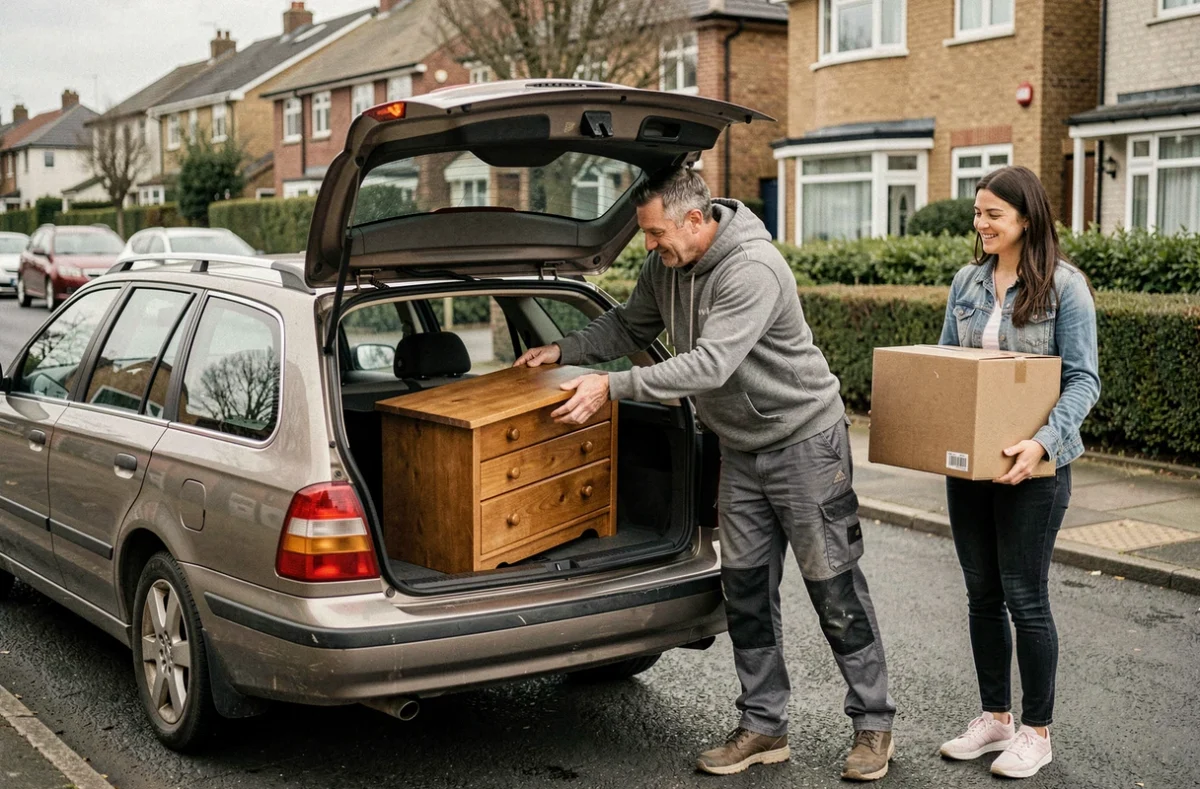
Associations regularly refuse donations due to non-compliance. A disassembled piece of furniture without reassembly instructions, a sofa with torn fabric, or a wardrobe missing hinges will be redirected to the dumpster rather than to solidarity sales.
- Keep screws and assembly accessories in a bag attached to the furniture
- Clean surfaces before drop-off to facilitate visual assessment by the receiving organization
- Make an appointment before traveling: most Emmaüs centers and recycling centers operate on a schedule, with limited storage capacity
- Report defects at the time of contact to avoid unnecessary trips if the furniture does not meet the organization’s criteria
Municipal bulky waste and home collection: last resorts
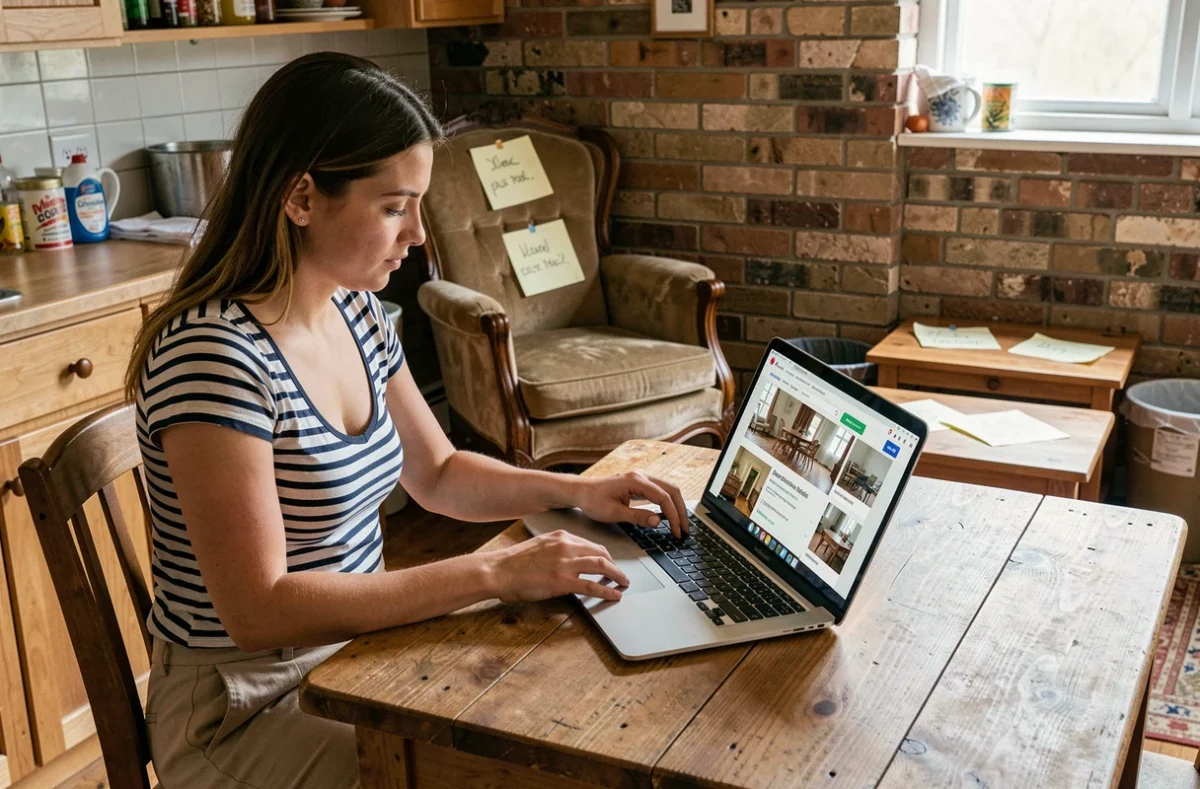
Municipal bulky waste collection is not a universal disposal service. Each municipality sets its own rules regarding volume, frequency, and appointment scheduling. Some limit home pick-up to two or three times a year, while others require drop-off at the roadside on a specific date.
For bulky furniture (three-door wardrobe, wall bookshelf), the recycling center often remains the most direct circuit. The furniture will be directed to the Ecomaison dumpster if it is present on-site.
When no sector is suitable
A piece of particle board furniture swollen by humidity, a slatted bed base with broken slats, or a desk with a split top has no reuse value. Attempting to donate them clutters associations and generates refusals. Directing them to the recycling center is sometimes the most responsible decision, as it ensures appropriate treatment and frees up sorting capacities of solidarity organizations for truly reusable furniture.
The choice between donation, distributor take-back, associative collection, and recycling center depends on the actual condition of the furniture, not a general intention of “not throwing away.” Honestly assessing the quality of the furniture before contacting an organization avoids unnecessary back-and-forth and improves the effective reuse rate of the sector.