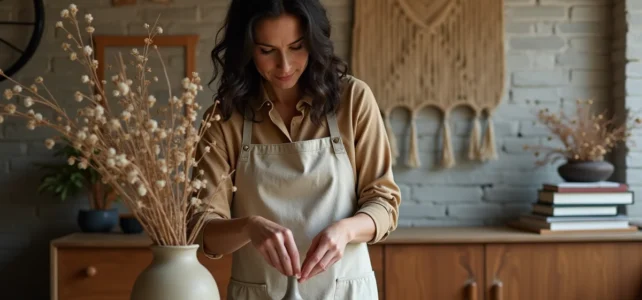
Transforming a house into a unique space starts with a structural decision: choosing what stays, what changes, and what tells a story. Before thinking about colors or furniture, personalizing an interior relies on understanding the existing volumes, available materials, and the natural light specific to each room.
Reused Materials and the Material Biography of Your Interior
The most significant trend in decoration and renovation in recent years has a name among interior architects: material biography. The principle involves integrating materials that carry a personal or local story into your living space.
You may also like : How to choose a wheelchair?
A reclaimed floor from a family home, a stone from a neighboring construction site, an antique tile found during a demolition: these elements are not just recycled; they become markers of identity. The French Furniture Trends Observatory notes a clear increase in projects incorporating reused materials and short circuits, used as identity elements in the home.
This choice has a direct impact on the ambiance of a room. A wall made of reclaimed bricks looks unlike any other because each brick bears its own signs of wear. The result is impossible to replicate exactly, ensuring a truly unique interior.
Related reading : MyFFF: Everything you need to know about the designation and how to log into your account!
To explore concrete approaches to personalization by room, you can discover alephzarro.com in detail and find ideas suited to different house styles.
Natural Light and Volumes: Often Underutilized Levers in Decoration
Changing the color of a wall or replacing a sofa creates a visible effect. Modifying the flow of light in a room transforms the very perception of the space. This is an interior decoration lever that many projects neglect in favor of purchasing objects.
Analyze the Sun’s Path Before Choosing Colors
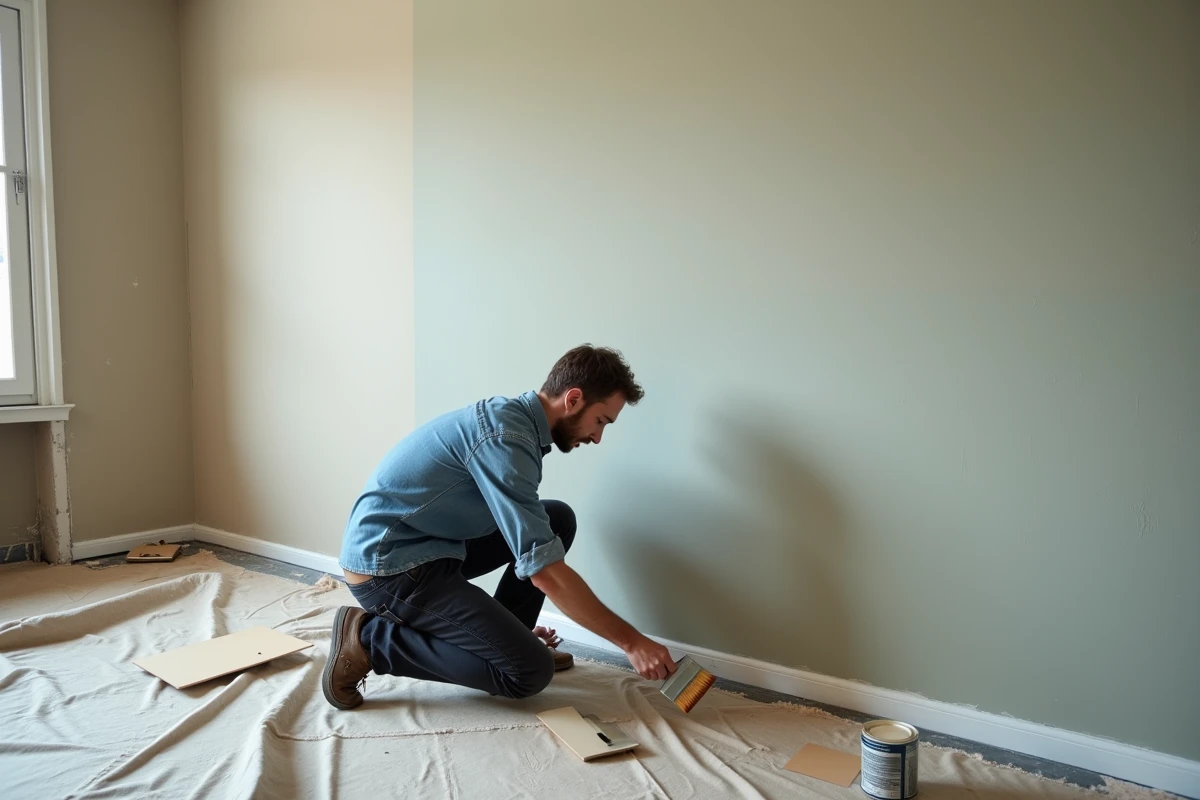
A north-facing room does not respond to the same hues as a room bathed in afternoon sunlight. Cool colors (bluish gray, sage green) work in very bright spaces, where they temper visual warmth. In a poorly exposed room, they risk creating a dull atmosphere.
Testing a paint sample on the relevant wall for several days allows you to observe the variations in shade throughout the hours. The difference between morning and evening can be dramatic, and this simple test avoids costly mistakes.
Play with Ceiling Height
Vertical volumes are a rare asset. If height allows, hanging fixtures at different lengths or installing tall shelves draws the eye upward and visually enlarges the space. In low rooms, painting the ceiling a shade slightly lighter than the walls creates an illusion of depth.
Digital Tools to Test a Layout Before Committing
Virtual layout trials are among the fastest-growing use cases in home equipment. Several tools now incorporate generative AI to offer personalized variations of the same room based on real photos.
- Ikea Kreativ allows you to scan a room and virtually place furniture from the catalog, respecting the actual dimensions of the space.
- DecorMatters offers ambiance simulations based on the lifestyle information provided by the user, guiding suggestions toward choices consistent with daily habits.
- The Room Transform feature of Canva generates several different atmospheres for the same space, useful for quickly comparing design directions before any purchase.
Visualizing multiple variations of a room before buying any object significantly reduces the risk of ending up with furniture that does not fit the actual proportions of the space.
Energy Renovation and Personalization: Two Approaches That Converge
The environmental regulation RE2020, applicable to new constructions in France, directs material and insulation choices toward low-carbon solutions. This technical constraint, far from limiting creativity, pushes toward bio-sourced materials (hemp, linen, local wood) that bring textures and natural shades impossible to achieve with standard industrial materials.
On the renovation side, energy renovation aids (notably MaPrimeRénov’) help finance insulation work that profoundly modifies a room’s comfort. Interior insulation, for example, slightly reduces the floor area but offers the opportunity to completely rethink wall finishes.
The choice of a lime plaster on a wall insulated with wood fiber produces a matte and lively finish, very different from the smooth and uniform surface of industrial plaster. Thermal comfort and the visual character of the room progress simultaneously.
Mixing Styles Without Falling into Object Accumulation
Personalizing a space does not involve multiplying decorative elements. An overloaded interior fatigues the eye and renders each object invisible. The most effective rule for creating a personal style is to limit the number of strong pieces per living space.
- In a living room, one or two pieces of strong personality (vintage armchair, raw wood table) are enough to set the tone. The rest of the furniture can remain understated.
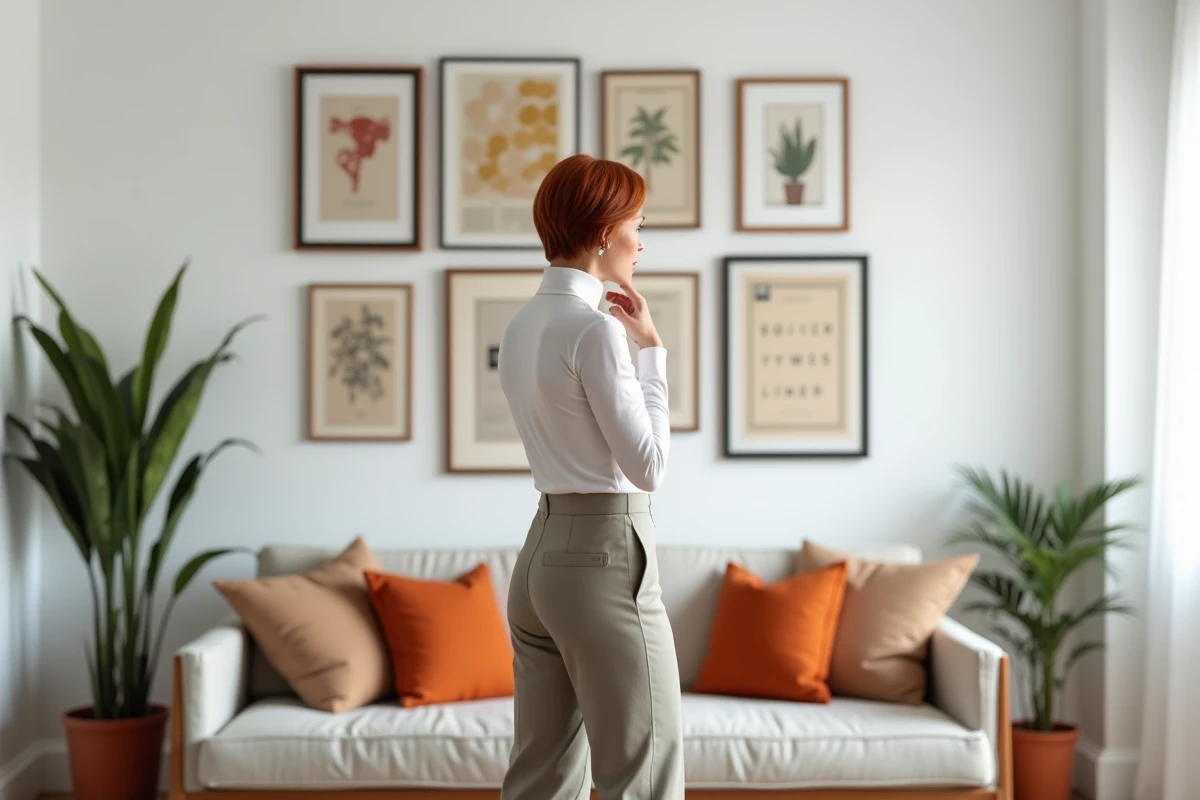
- On the walls, a gallery of frames works better when grouped on a single wall rather than scattered throughout the room.
- Textiles (cushions, curtains, rugs) bring color and texture without cluttering the floor space. Changing the textiles in a room renews its atmosphere for a limited budget.
Mixing styles works when there is a common thread: a limited color palette, a recurring material (wood, metal, linen), or a dominant era tempered by a few offbeat pieces.
An interior that tells something specific about its inhabitants is not built in a single online order. The most unique spaces often arise from a patient assembly, where each element has been chosen for a concrete reason, whether aesthetic, functional, or simply sentimental.